OVERVIEW
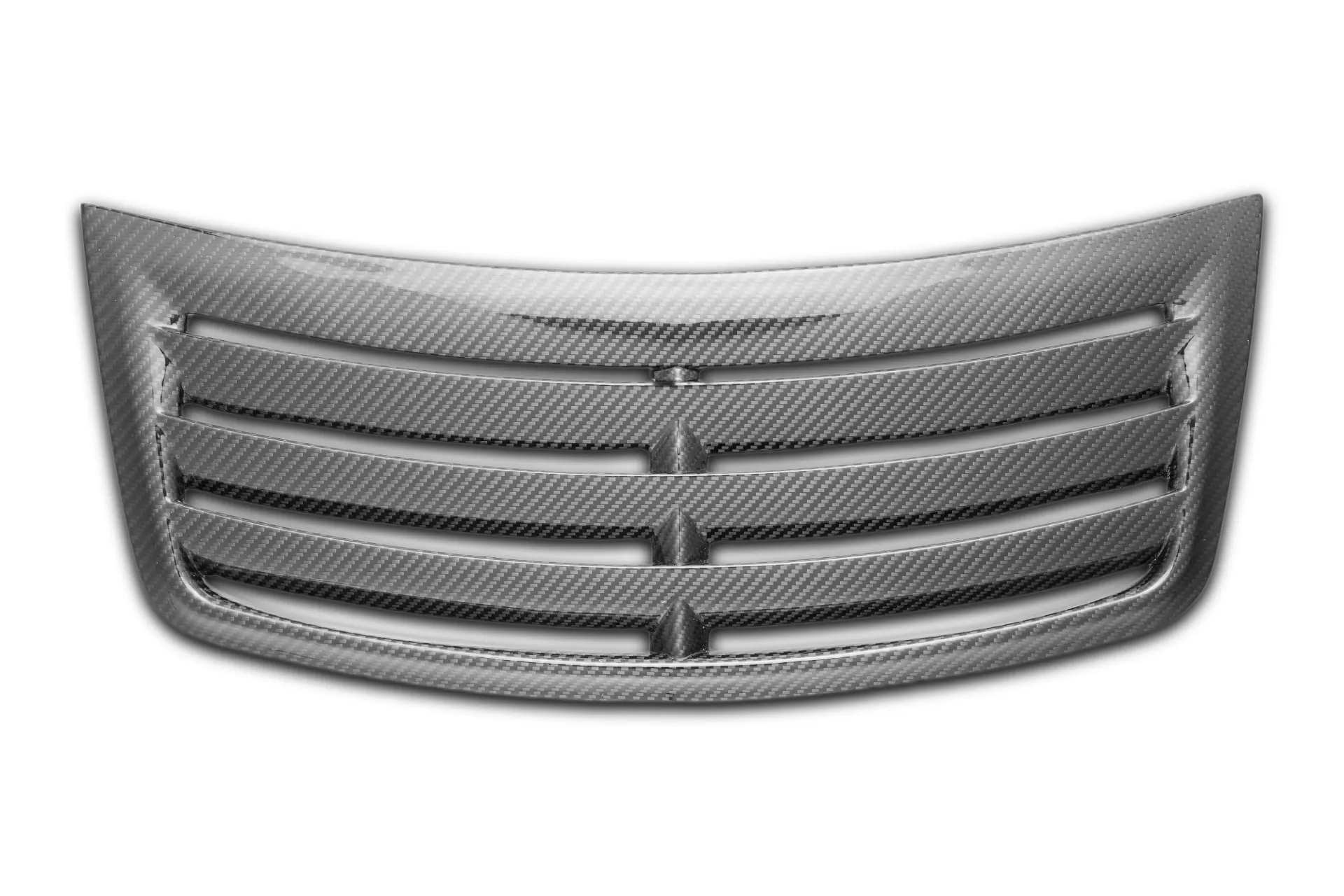
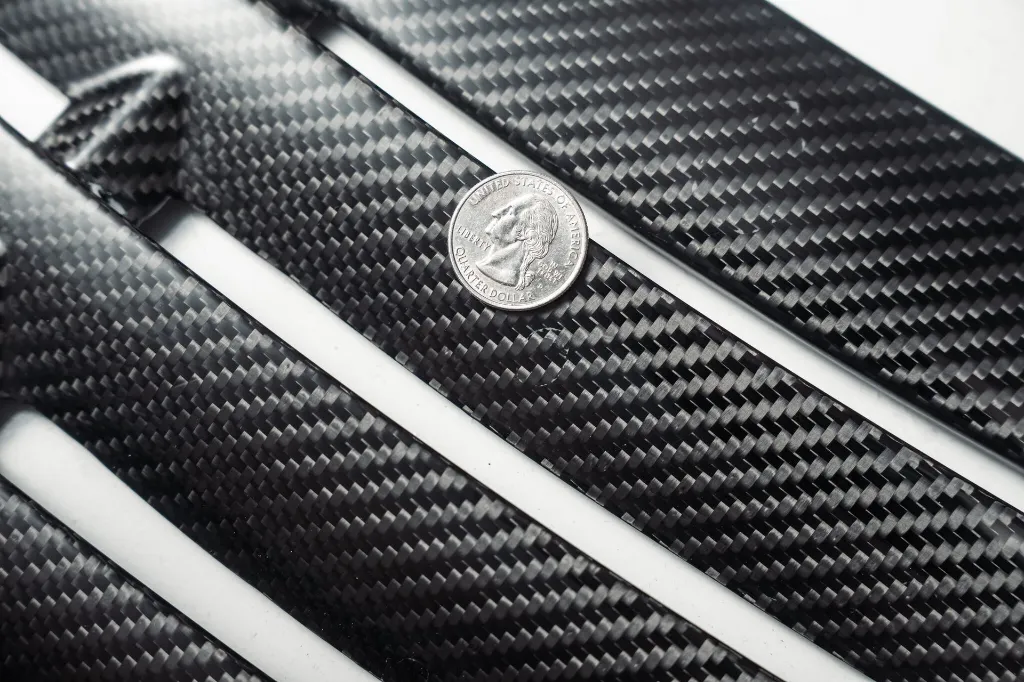
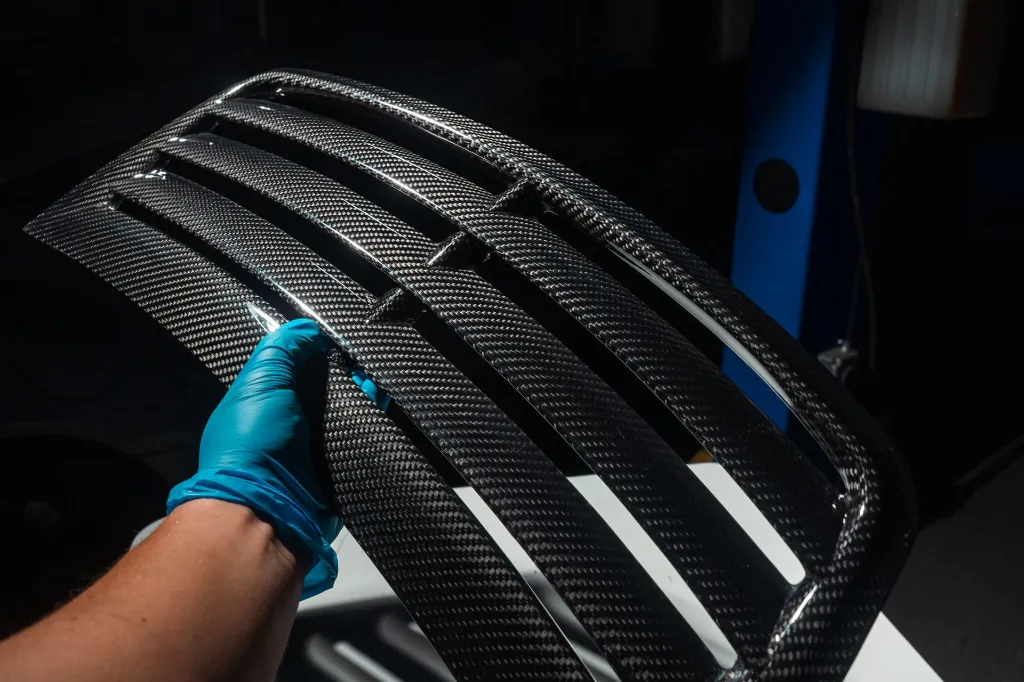
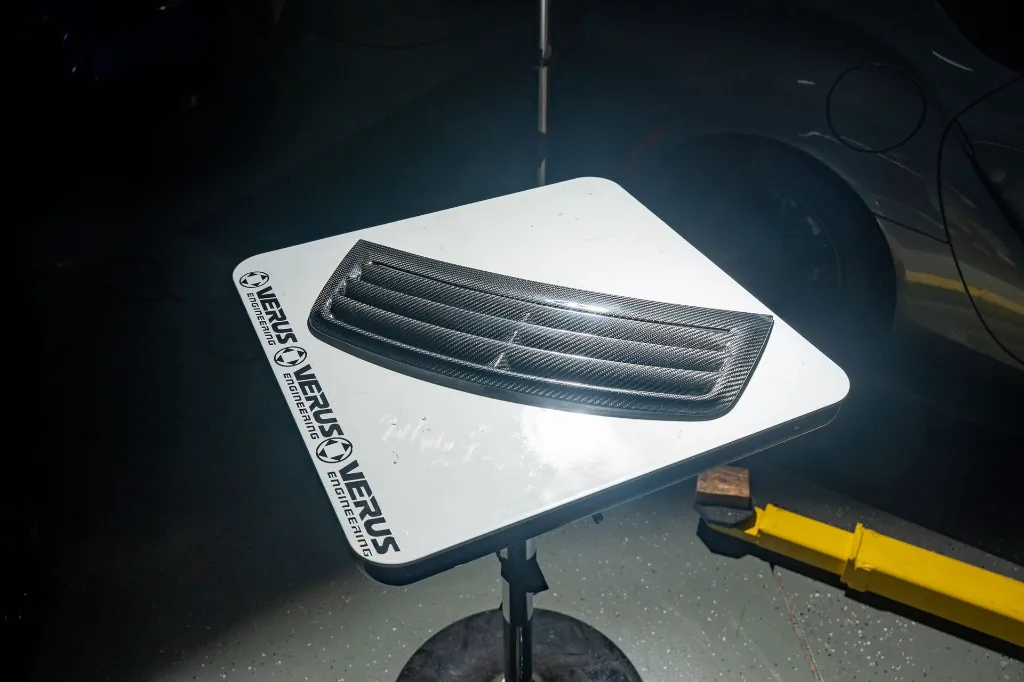
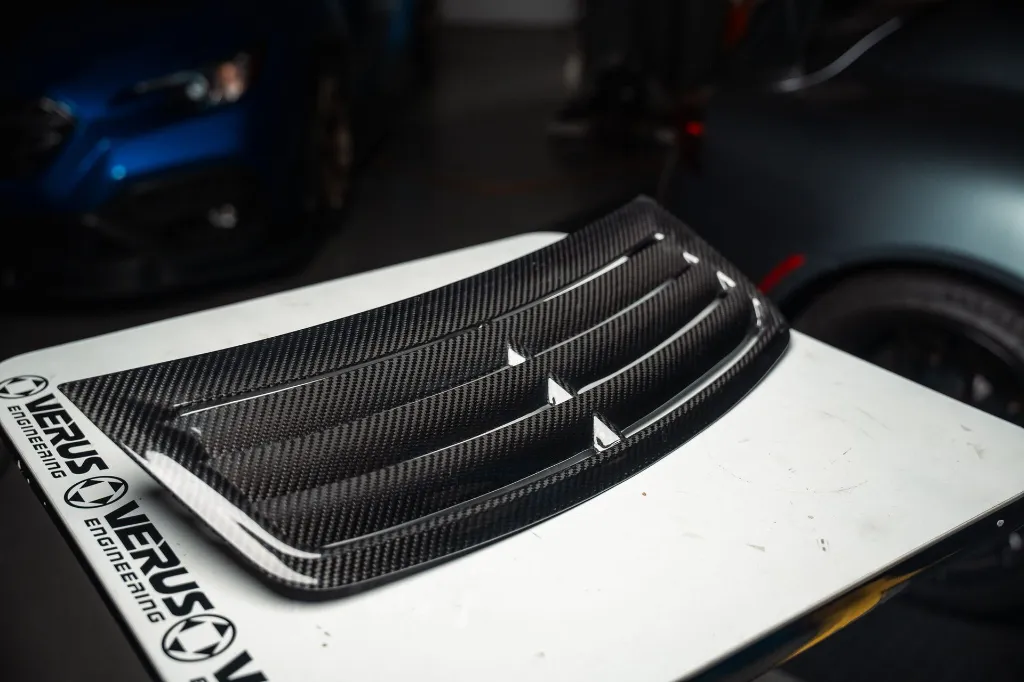
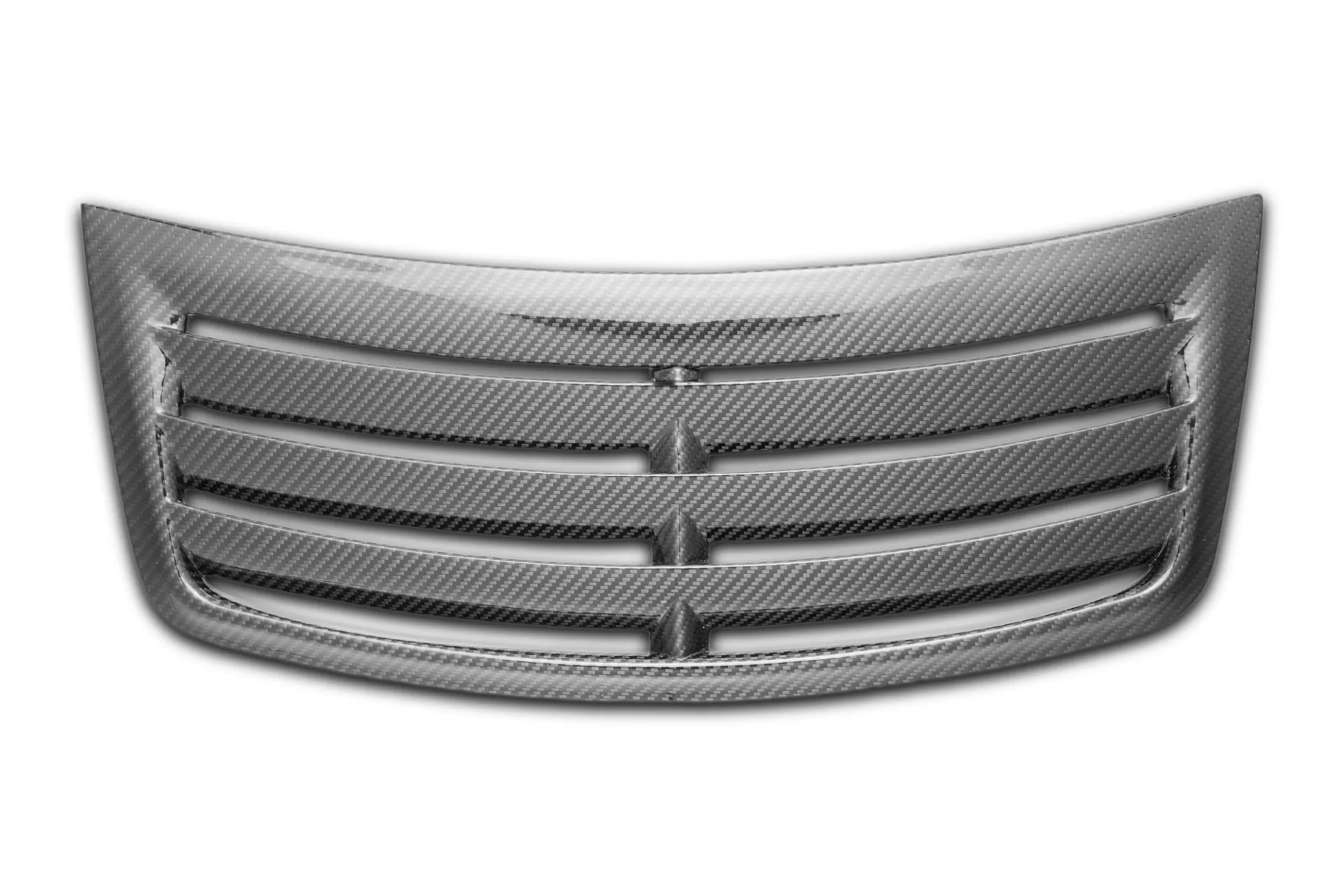
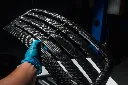
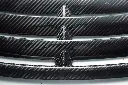
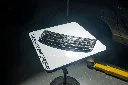
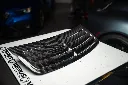
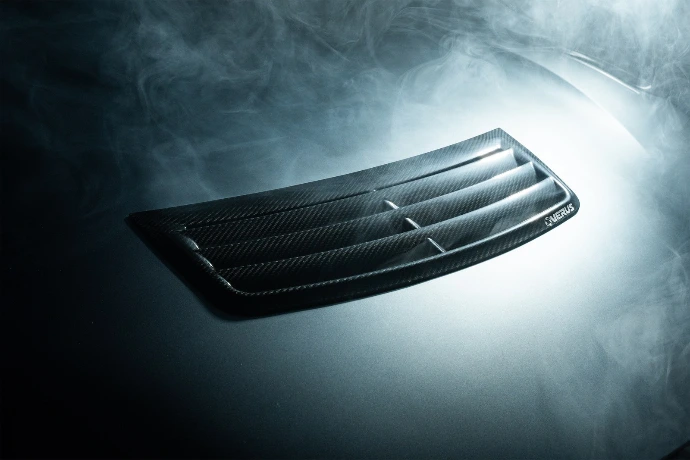
The Verus Engineering Carbon Hood Louver Kit for Mk5 Toyota Supra helps reduce engine bay heat and pressure. The louver improves cooling stack efficiency, underhood component longevity, and adds a bump in the front end downforce by alleviating air pressure in the engine bay.
Using scan data, we developed the hood louver to have an OEM type fit and finish to the hood's contour. We took special care to ensure the louver was placed in an area that removed *minimal* underhood structure as well as in an area of low pressure for maximum evacuation.
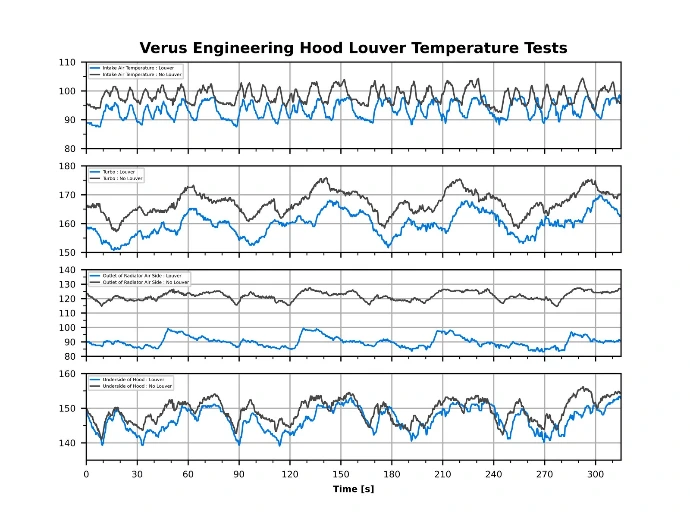
Through CFD and on track data, we found the louvers to work very well on the car, dramatically reducing underhood temperatures. Check out our blog for more information!
WHAT IS INCLUDED
- Carbon Hood Louver
- Cut Template
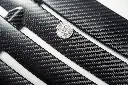
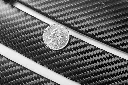
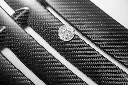
- Small White Verus Vinyl Sticker
- 3M VHB Double-Sided Tape
FEATURES
- Retains OEM Hood's Structural Integrity
- Reduce Underhood Pressure and Temperature
- Scan Data Used for OEM Fit and Finish
SPECIFICATIONS
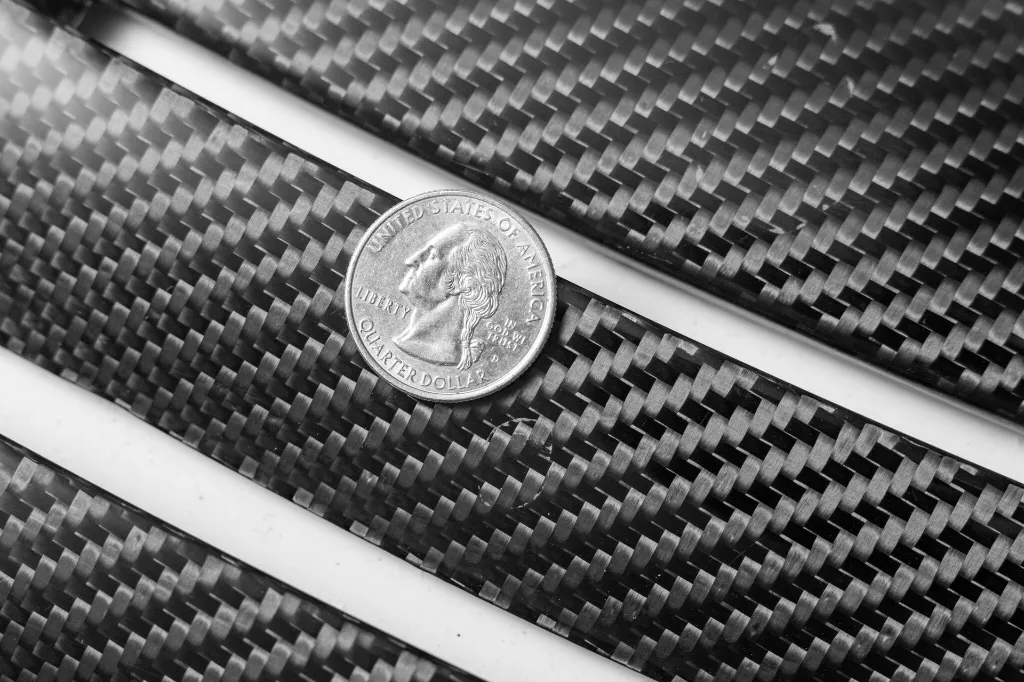
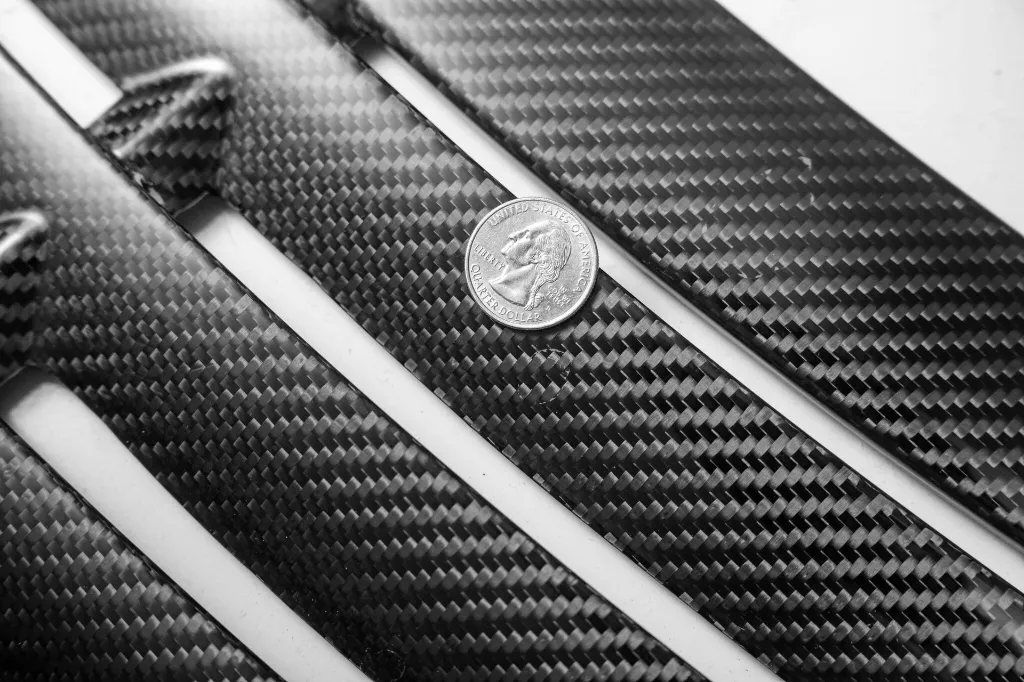
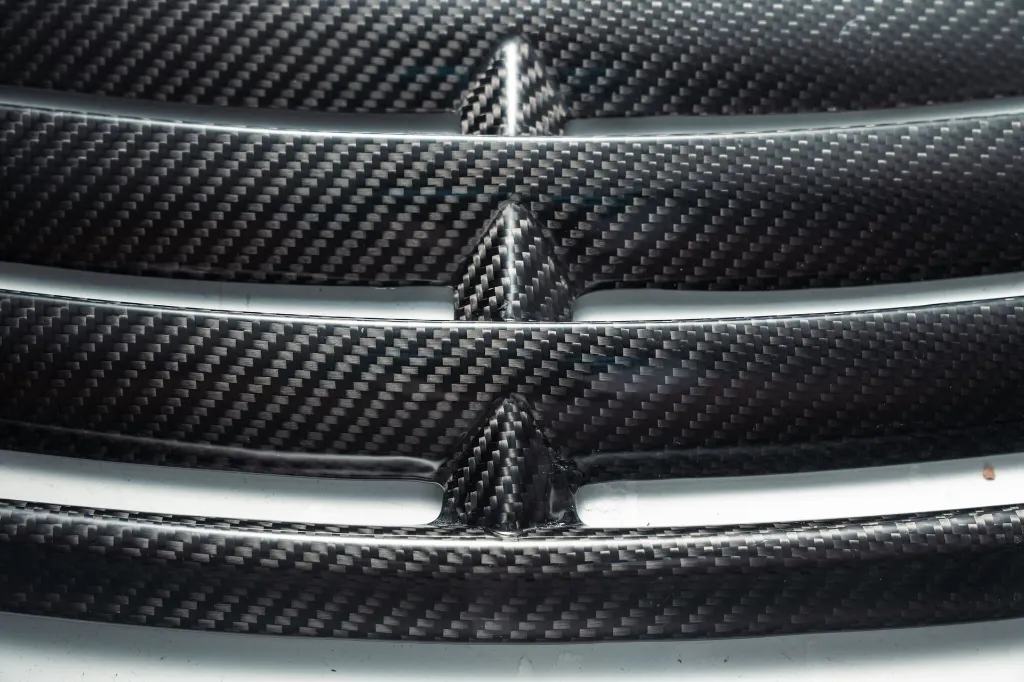
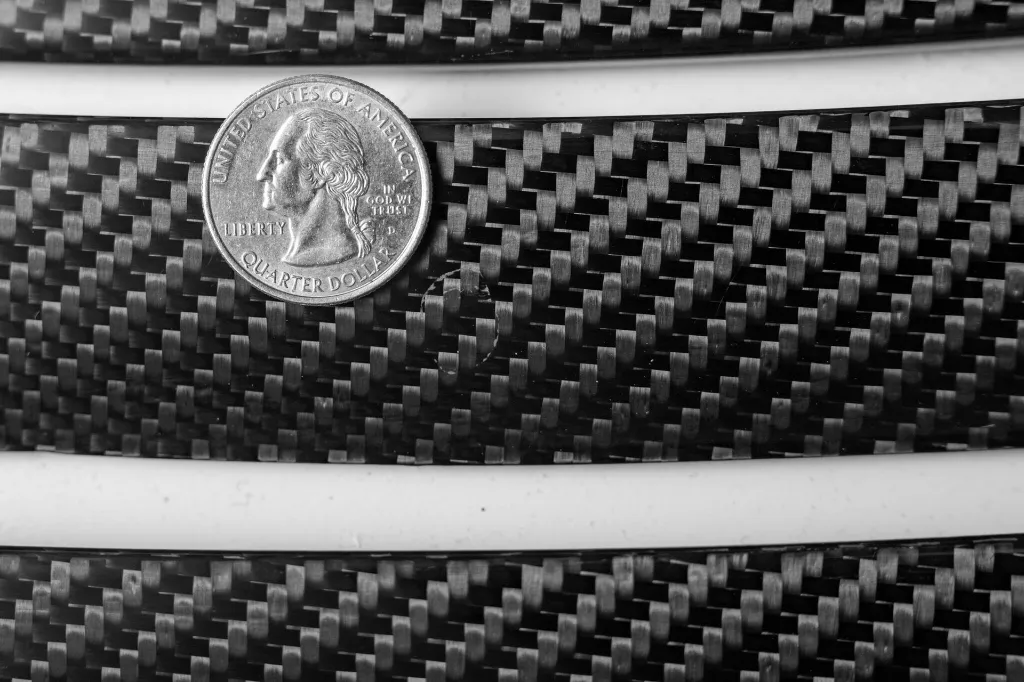
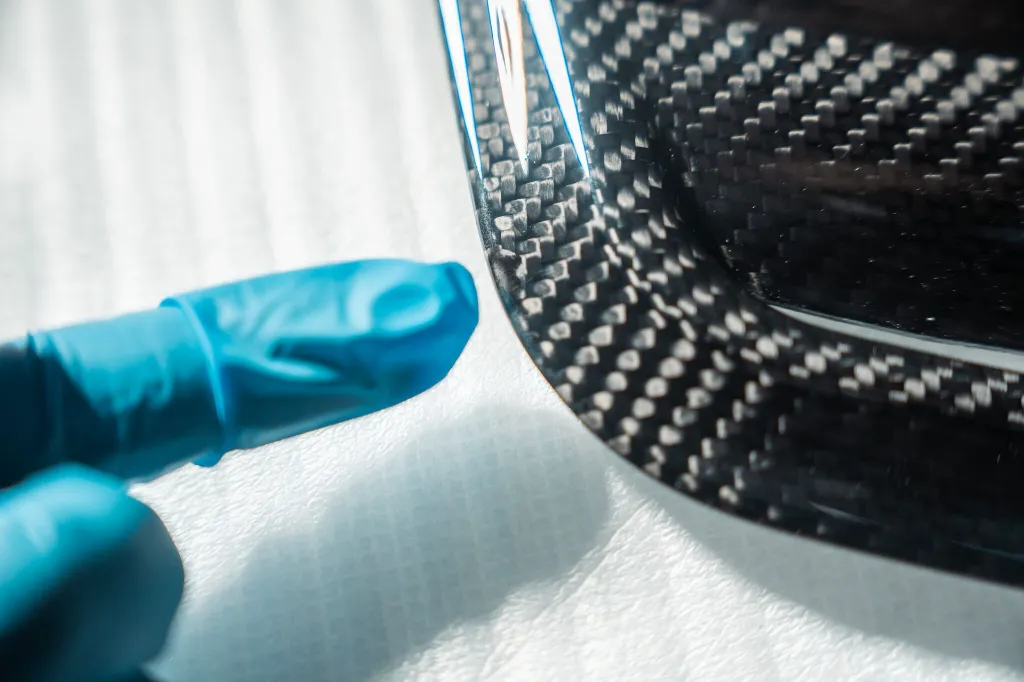
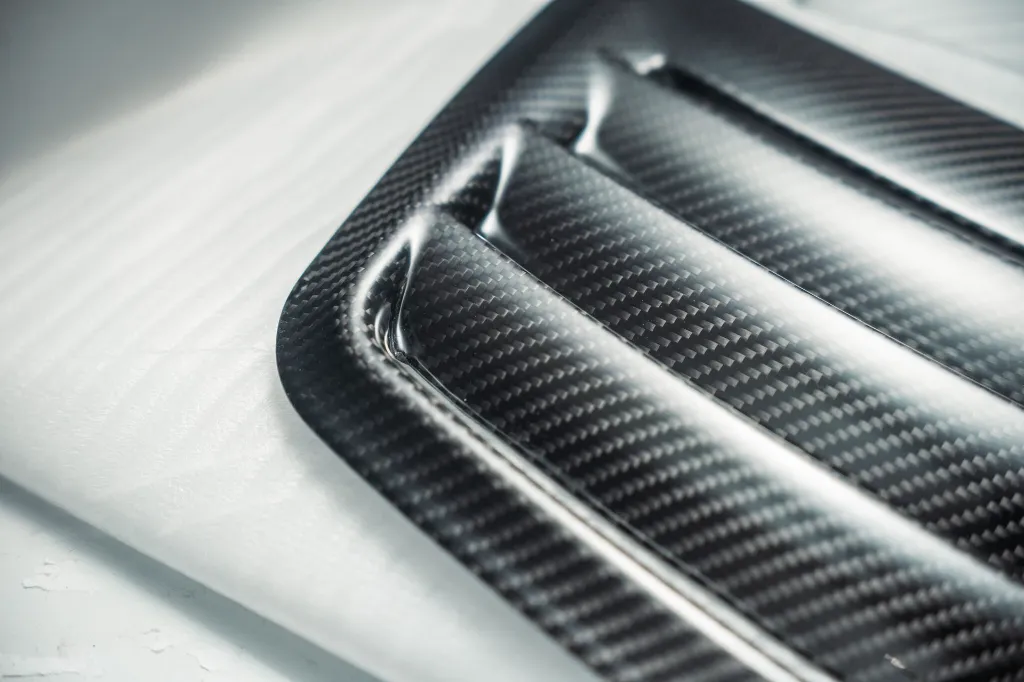
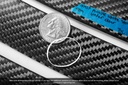
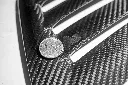
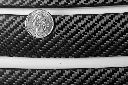
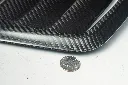
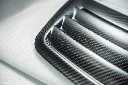
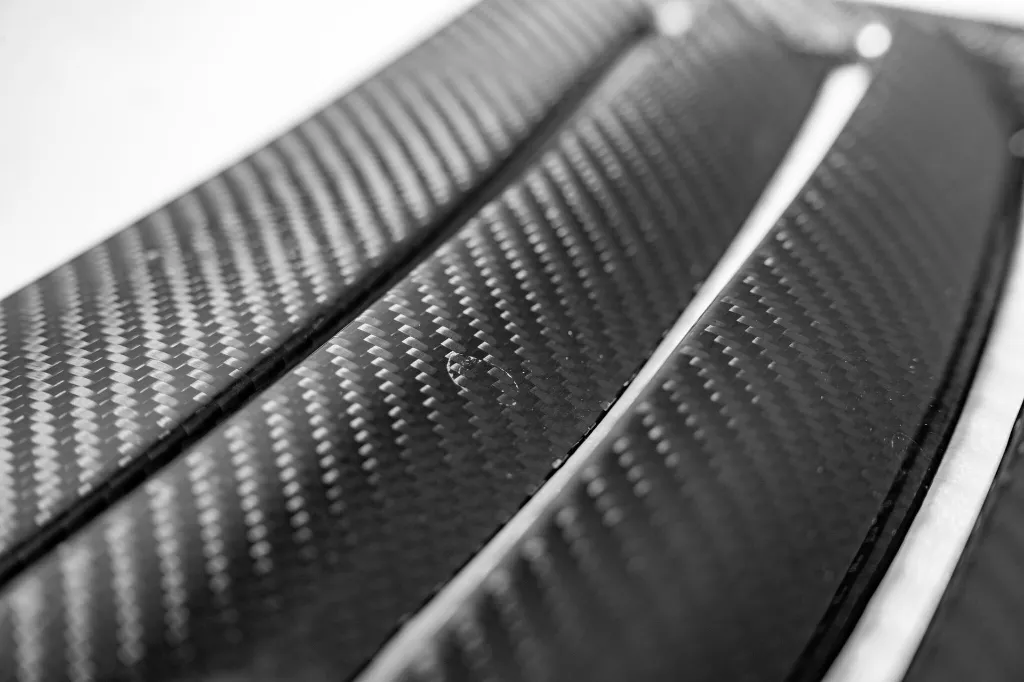
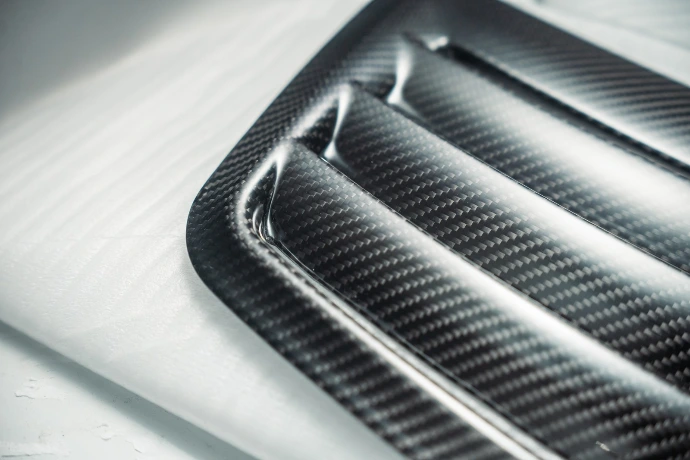
- Pre-Preg, 2x2 Twill, Autoclave Cured, Carbon Fiber Composition
- Specifically Contoured and Designed to the Supra Hood
- 3M VHB Double Sided Tape
- Paper Cut Template
SCIENCE
Utilizing CFD, we located a hood position of low pressure, to maximize underhood evacuation and a louver design that encourages evacuation as well. Relieving this underhood pressure increases front end downforce; as the pressure pushing up on the hood is no longer present. Evacuating this hot engine bay airflow also improves cooling stack efficiency and can increase part longevity for components that are heat sensitive. Adding the louver is a great way to increase front end grip and reduce underhood temperatures on track.
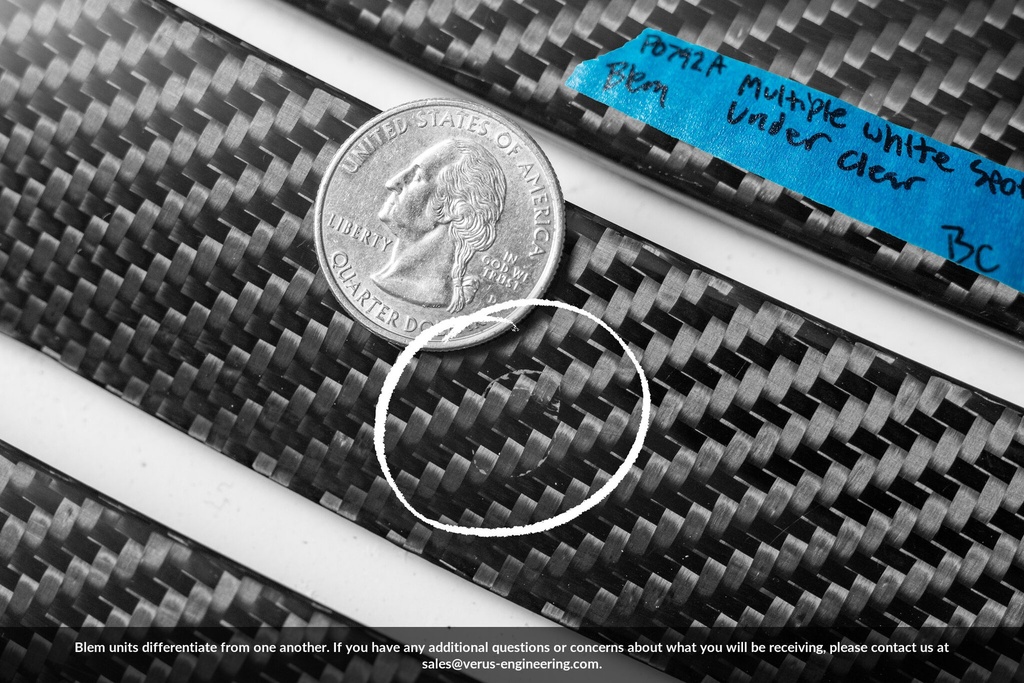
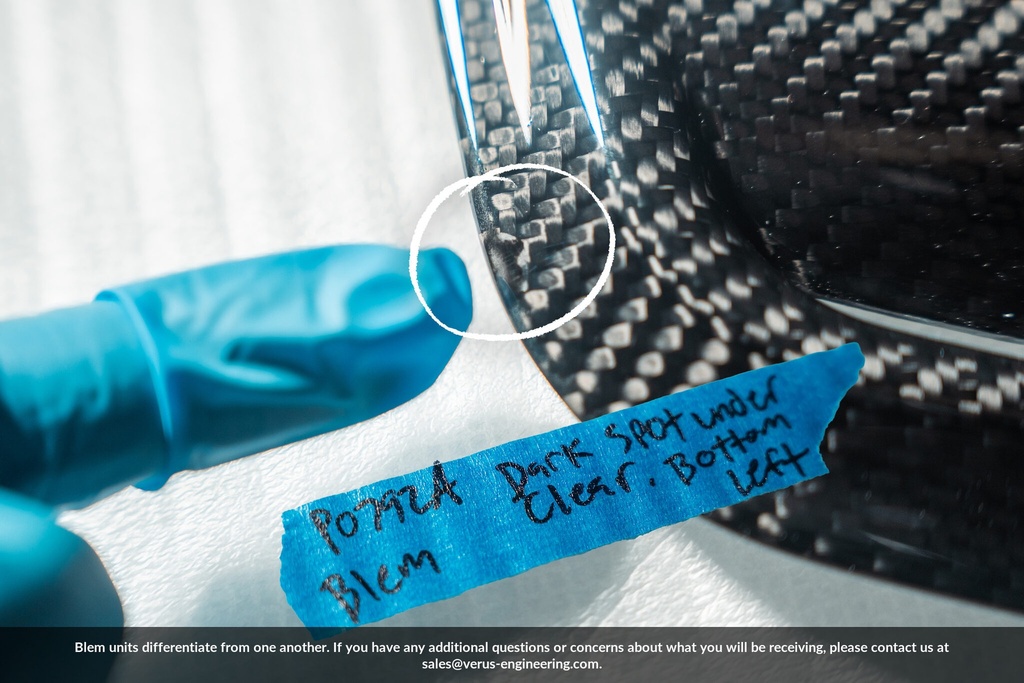
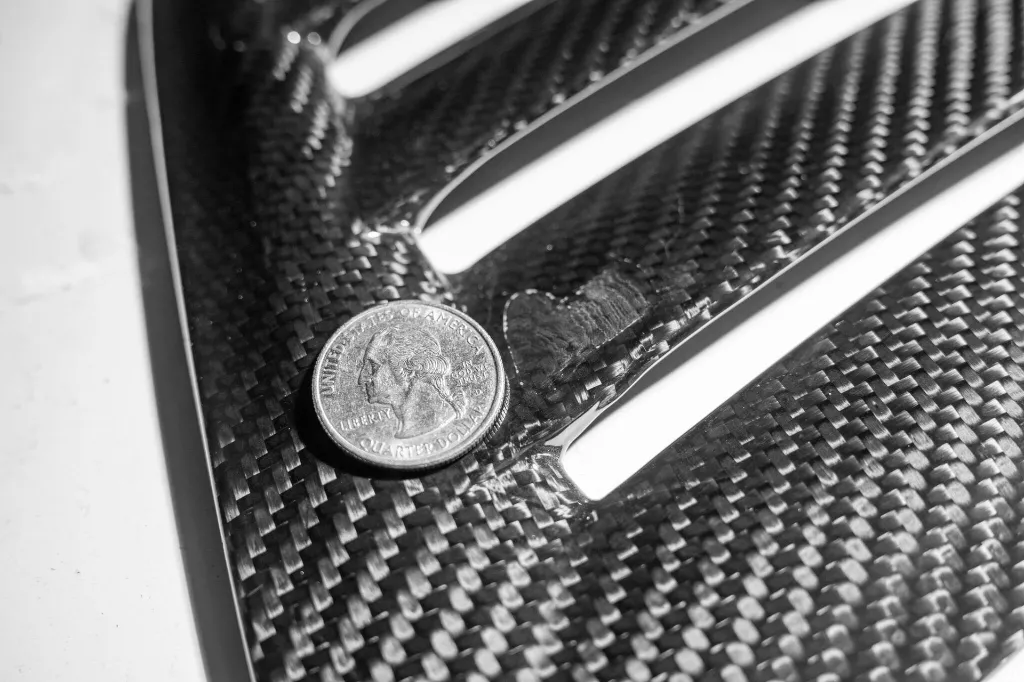
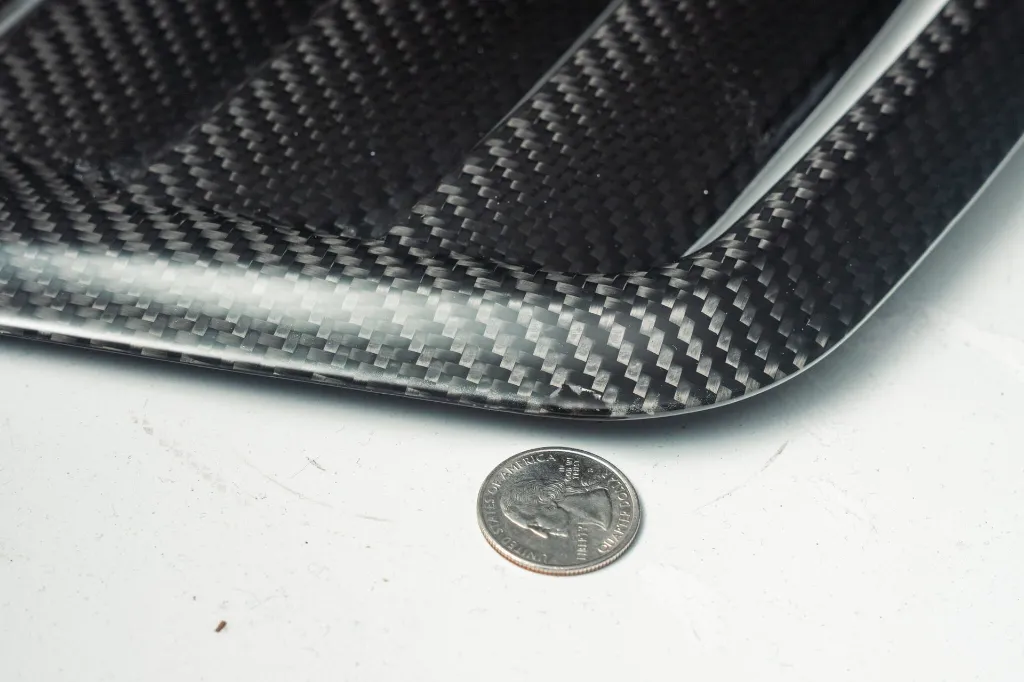
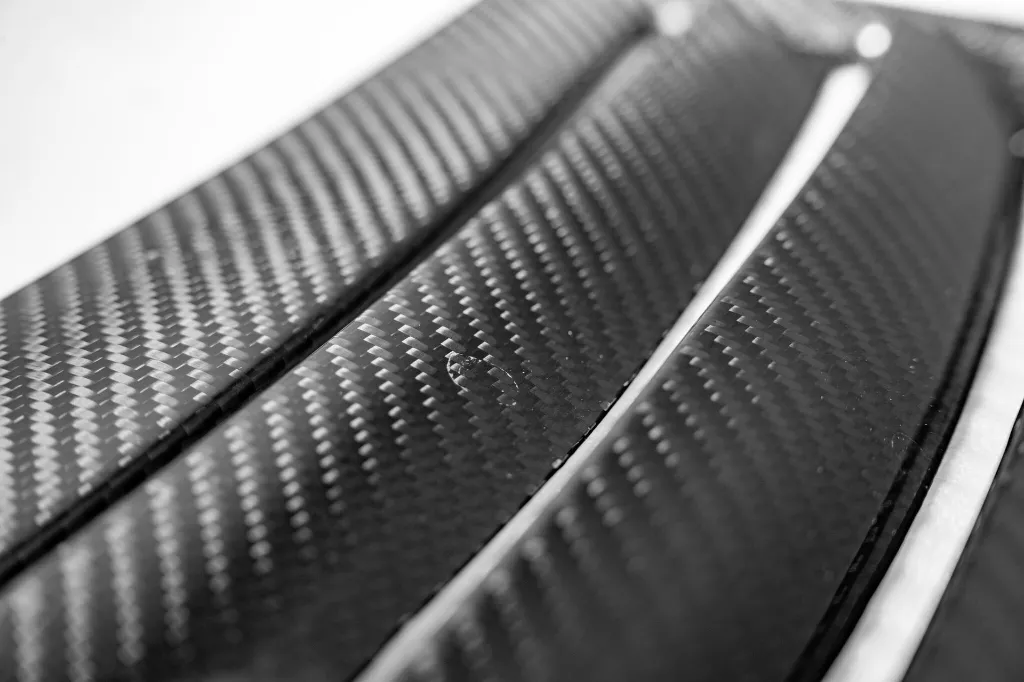
What to expect from blemished items:
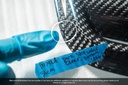
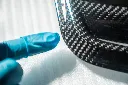
All items listed as 'blemished' items under the 'Racer Special' category are items that are cosmetically flawed but still function as intended and are structurally sound.
Watch this video to learn more.
Our Approach to Hood Louvers
See how Verus Engineering approaches hood louver design, from CFD-driven placement to real-world testing.
Watch this video to learn more.